Wind, Livestock, Rural Dream and Western Culture
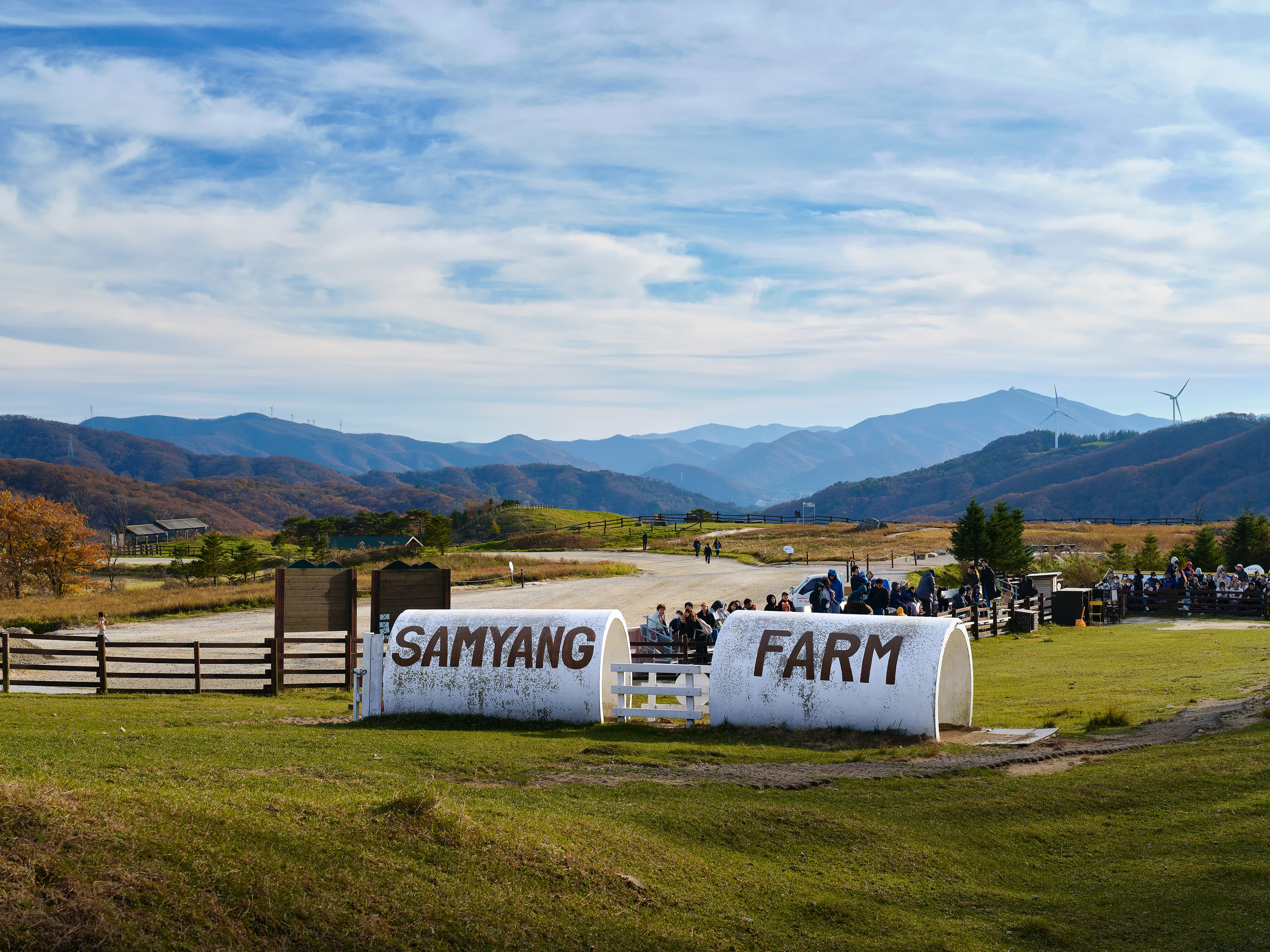
During South Korea's rapid development under President Park Chung-hee (박정희), farming modernization was led by the Saemaul Undong (새마을 운동) movement, which aimed to improve rural productivity and living standards. In this context, Samyang Foods established Samyang Ranch in 1972, aligning with national goals of food security and rural revitalization. Today, the ranch continues to operate, producing dairy, meat, and wool while also serving as an educational and tourism site.
With its high elevation—ranging from 850 to 1,500 meters above sea level—and steady average wind speeds of around 11.1 km/h, Samyang Ranch experiences constant wind conditions that shape both its environment and daily operations. The presence of wind plays a functional role in land use, livestock comfort, and renewable energy production across the ranch's expansive fields.
It contributes directly to renewable energy production through wind turbines and shapes how people interact with the space. In this setting, wind is not just a natural element but a resource integrated into rural development and sustainability efforts.
Livestock
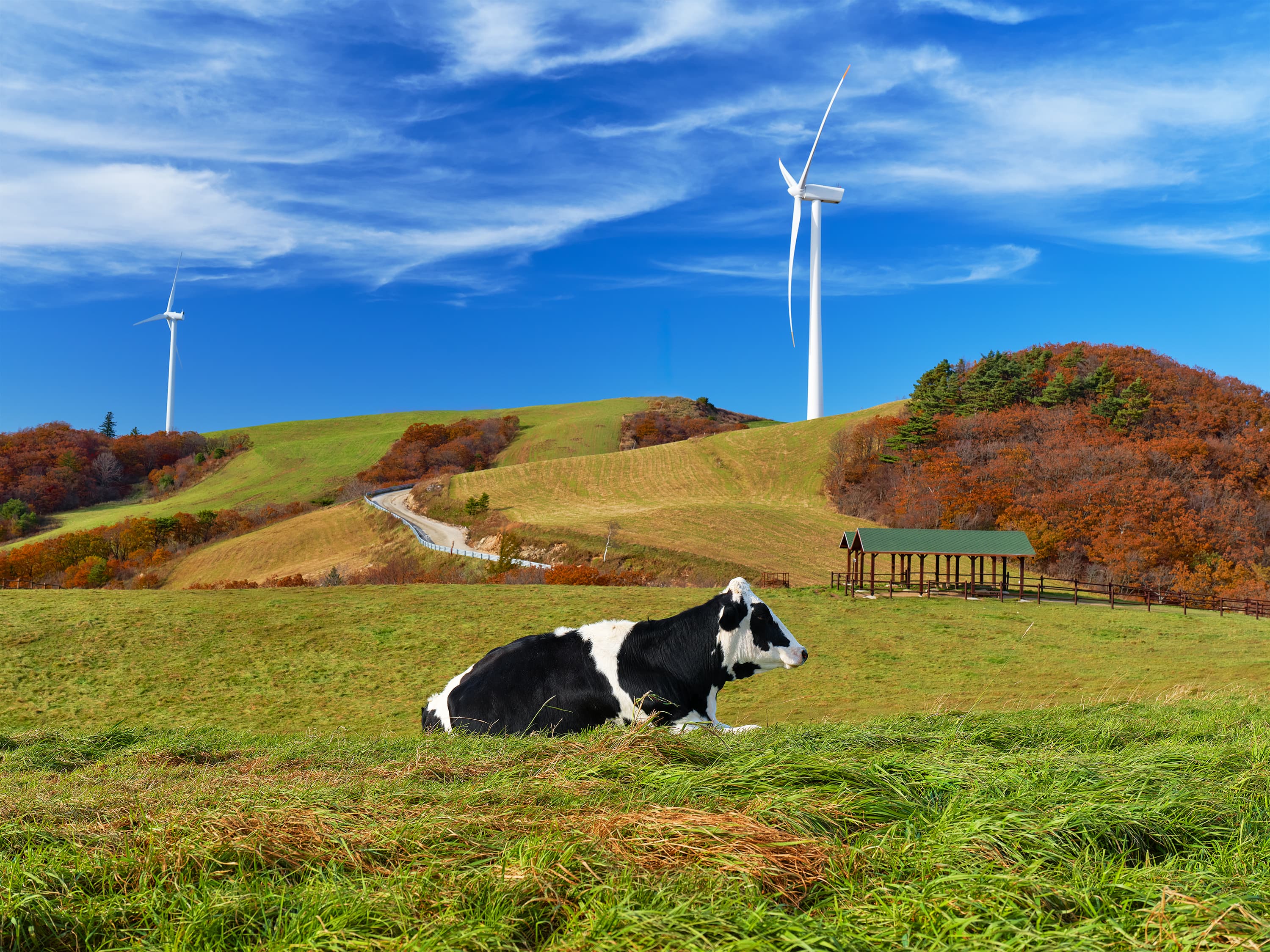
Home to approximately 900 beef and dairy cattle, raised across the ranch's highland pastures. These animals are part of the ranch's original mission to support domestic food production during a period when Korea relied heavily on imports.
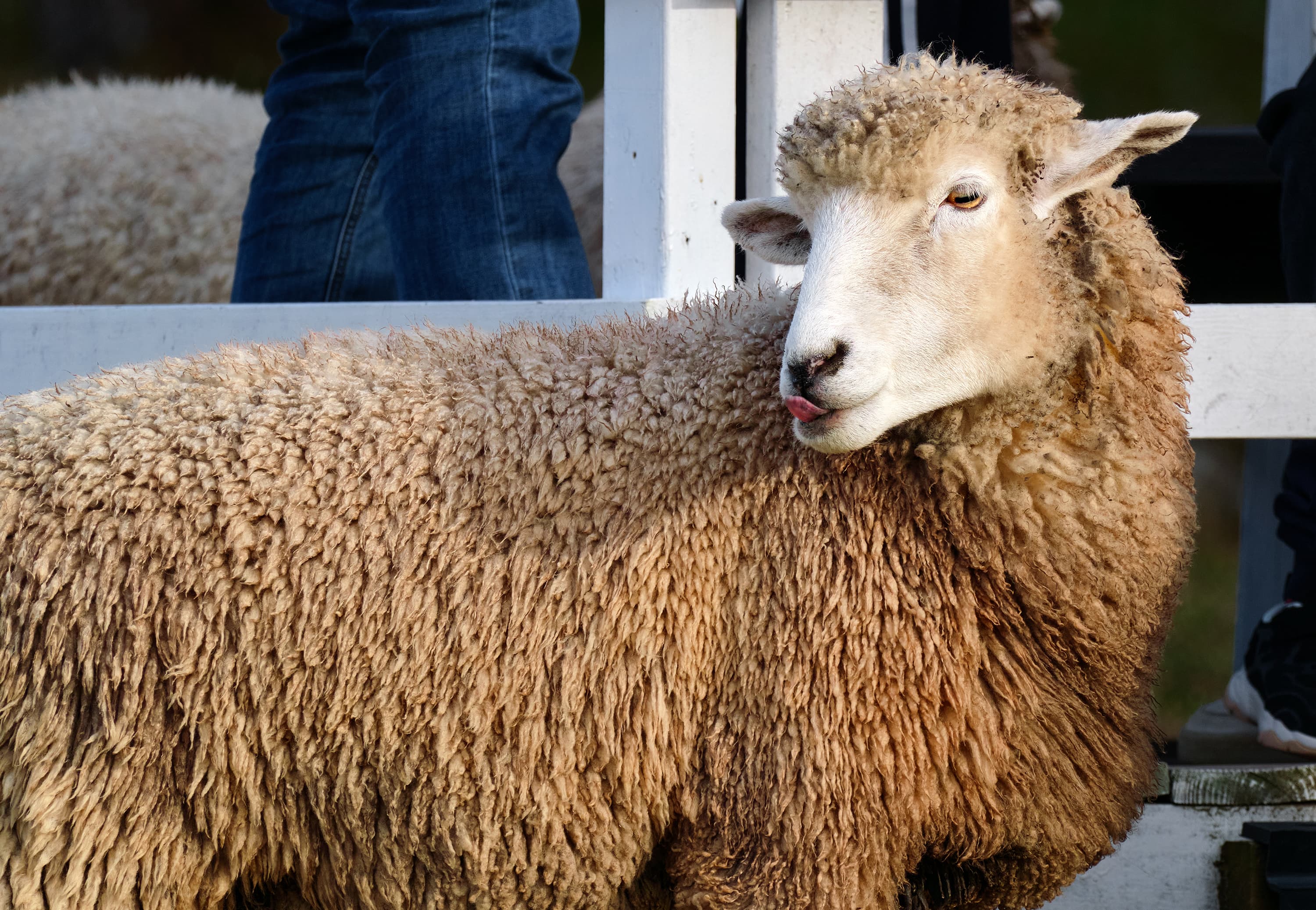
Samyang Ranch raises thousands of sheep, making it one of the largest sheep farms in South Korea. Beyond their agricultural value—providing wool and meat—the sheep have also become a central part of the ranch's identity as a tourist destination.
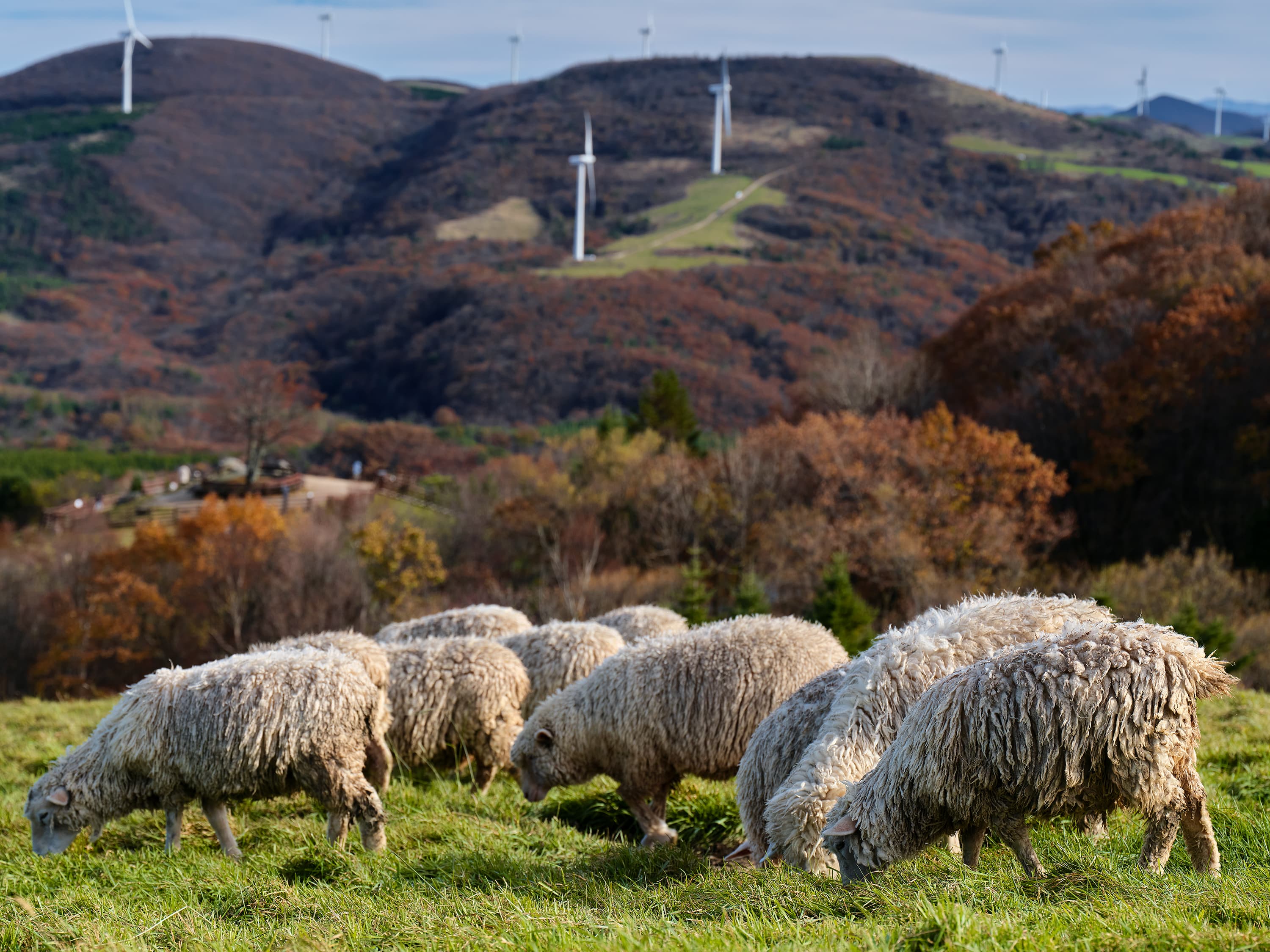
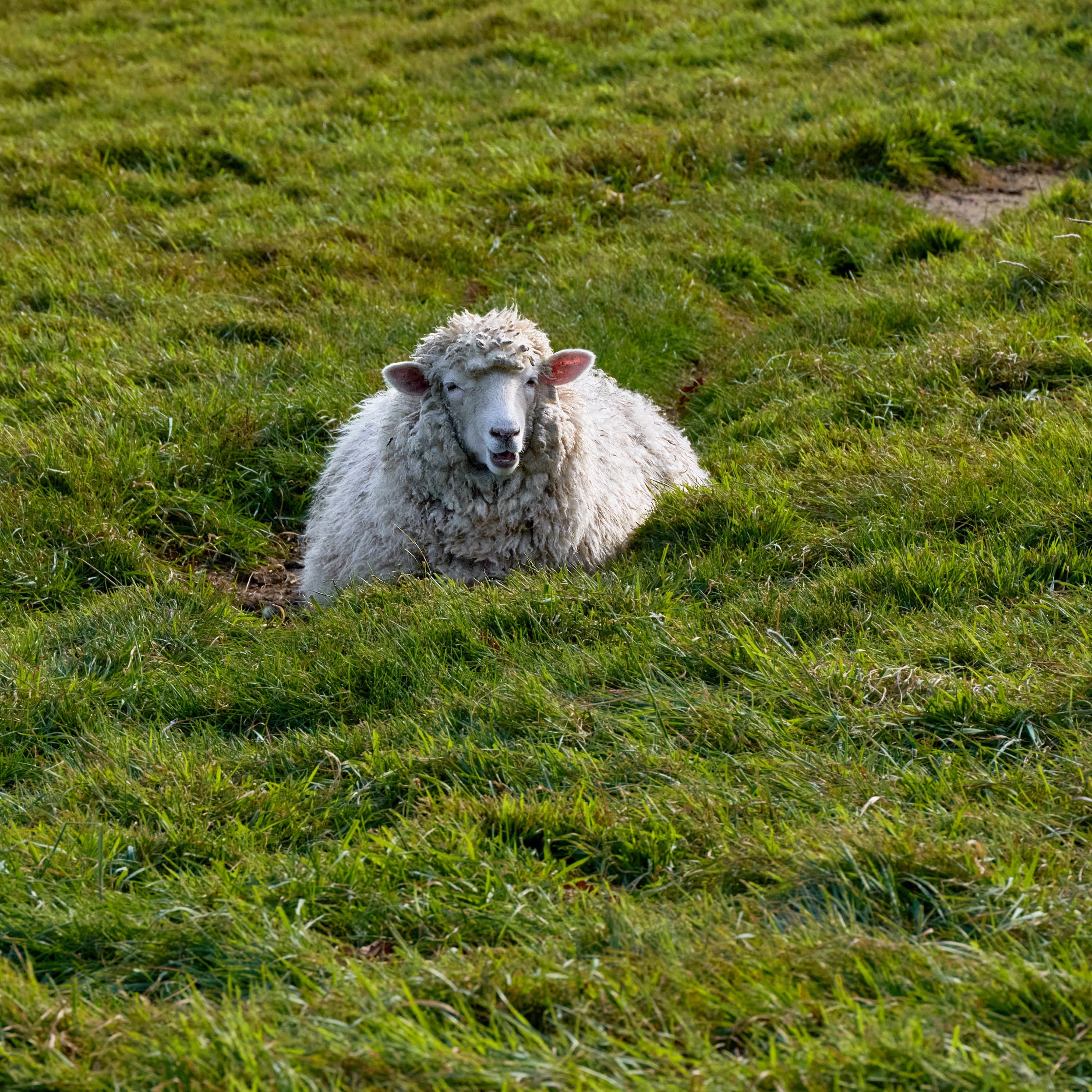
For many visitors, especially those from urban areas, the sight of sheep grazing freely across the hills offers a tangible connection to rural life and a slower, more natural rhythm. Their presence supports not only production but also education and public engagement with farming culture.

Rural Dream

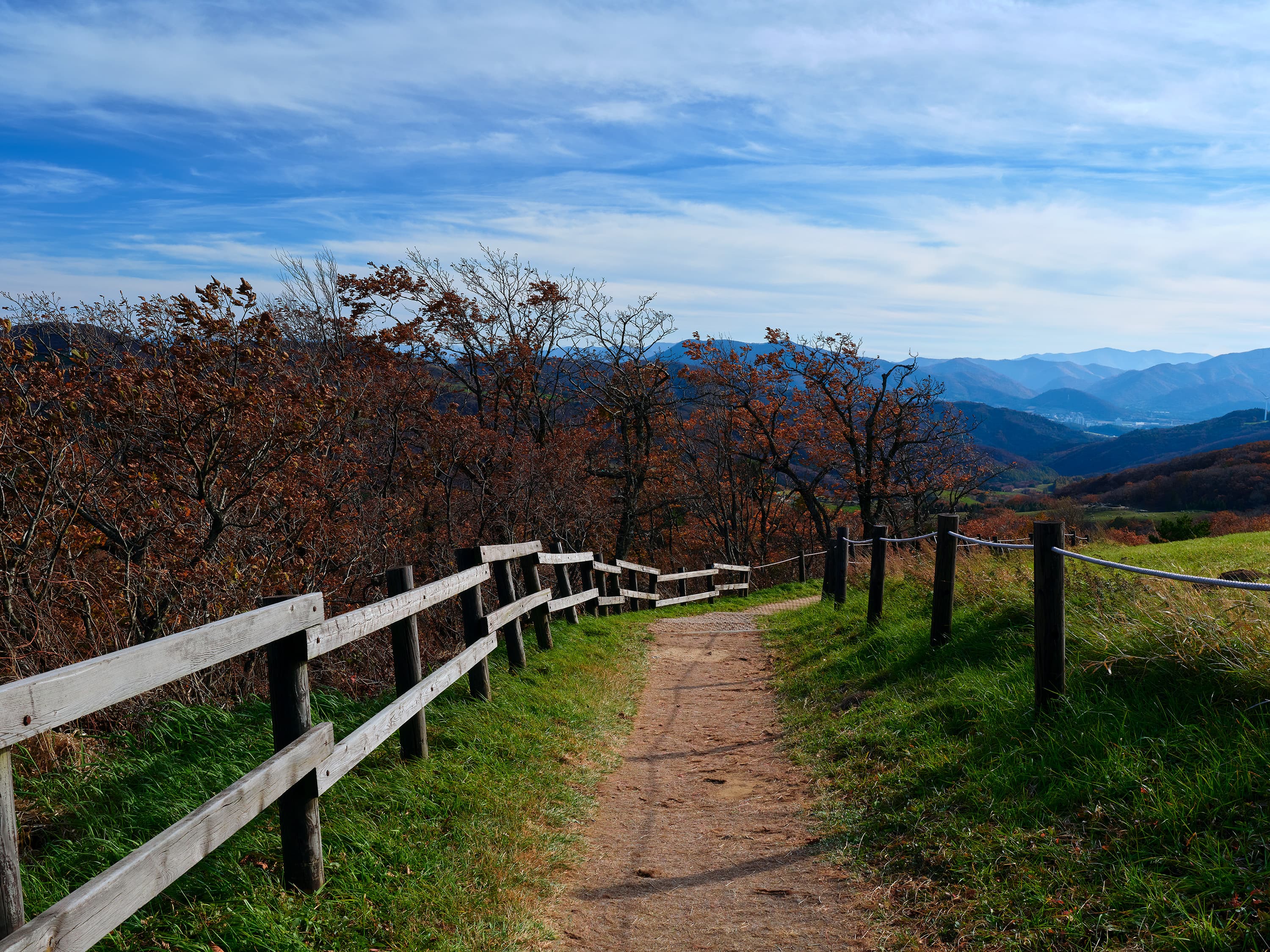
In recent decades, the term guinong (귀농) has emerged to describe the growing number of Koreans seeking to return to rural areas in search of a quieter, more intentional life. While some pursue actual resettlement and farming, for many others, the idea of guinong represents a personal longing for simplicity, autonomy, and a renewed connection to land and nature.
For many urban residents, especially those facing long working hours and rising living costs, Samyang Ranch offers a curated version of this rural ideal. Visitors can walk through wide open fields, observe livestock, and feel the wind sweeping across the hills—experiences that simulate the lifestyle many city dwellers fantasize about.
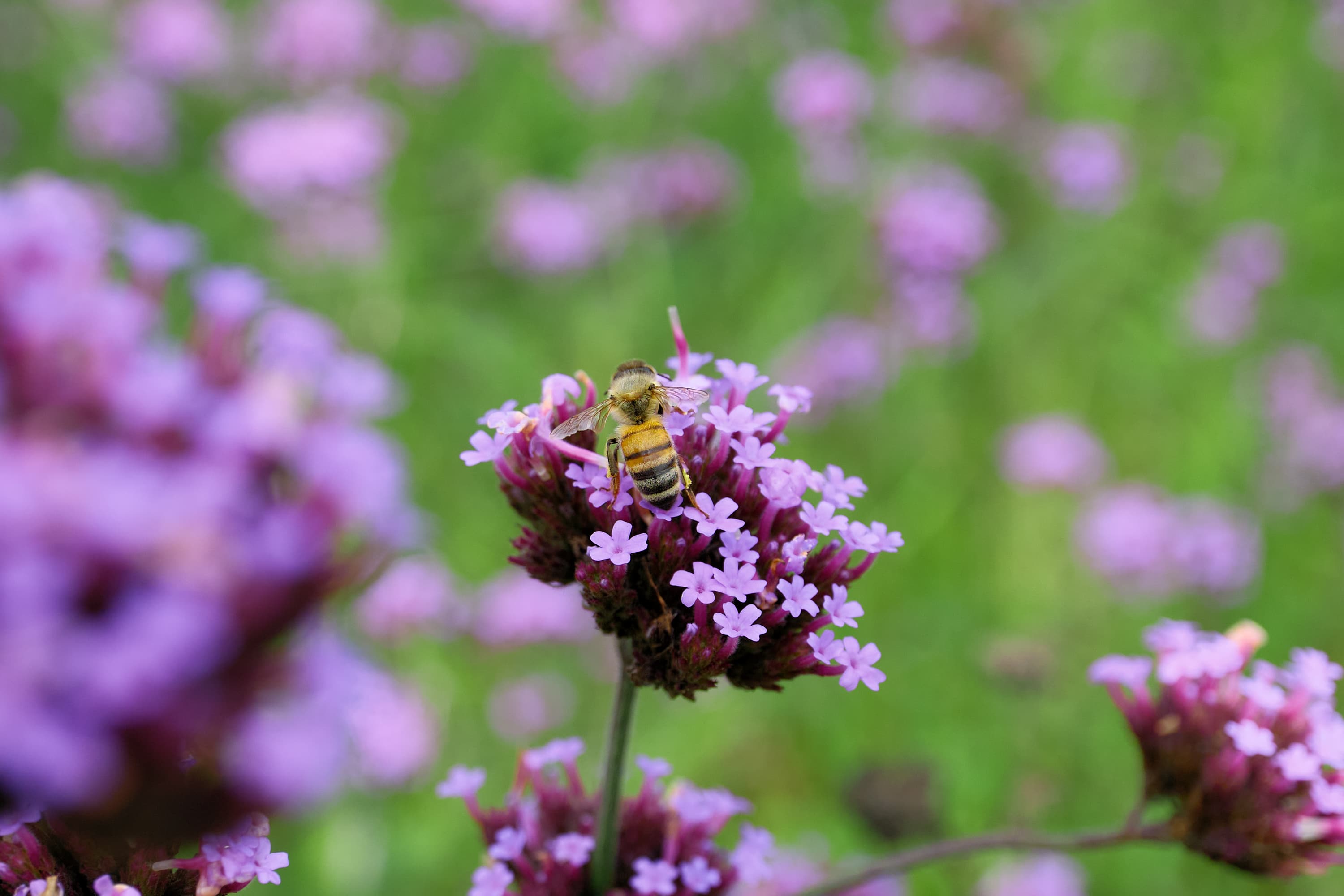
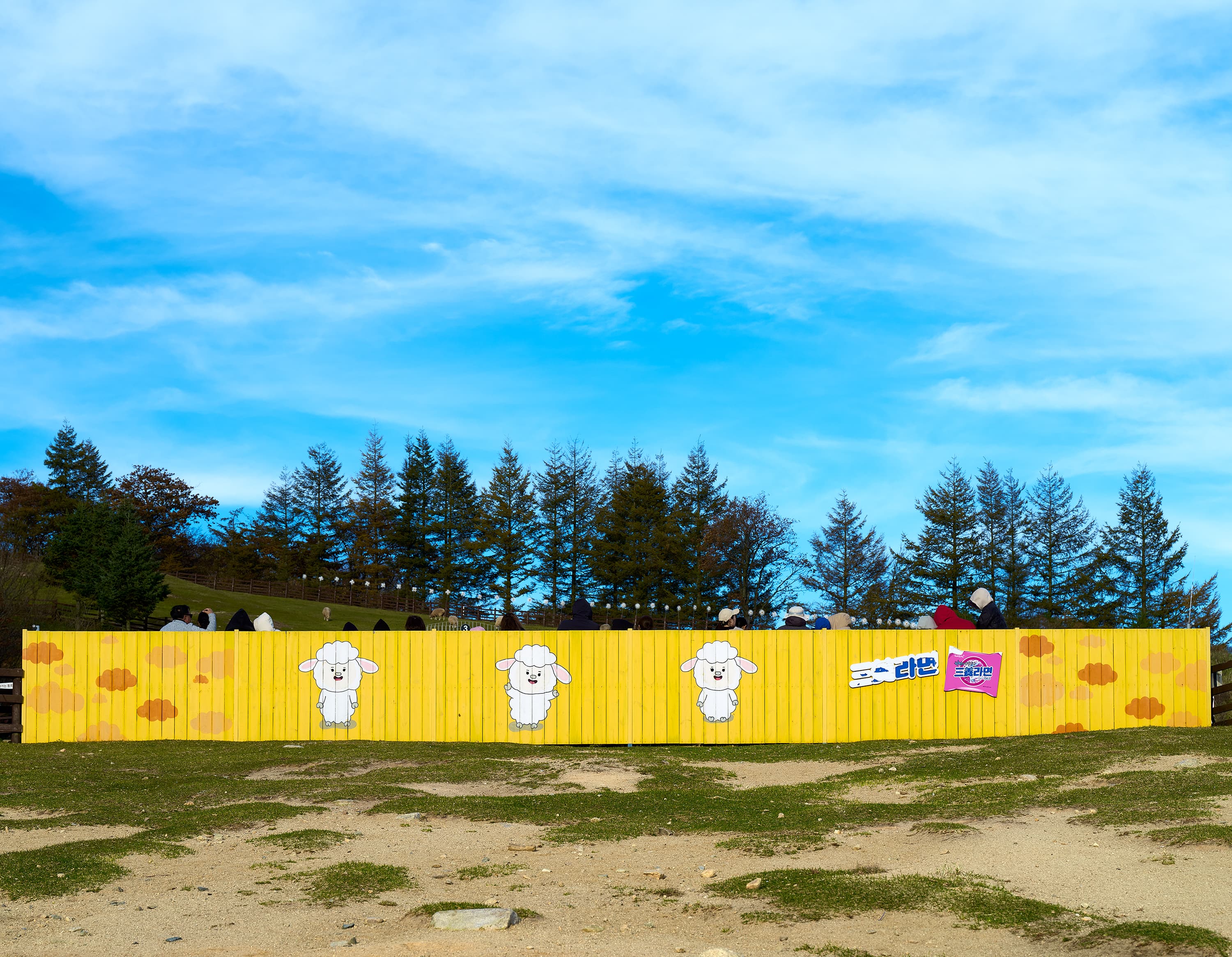
While the ranch is not a site of permanent relocation, it provides a temporary immersion into pastoral life, allowing visitors to project their own desires for slowness, space, and connection onto a controlled and accessible environment.

Western Culture

Herding dog shows are a popular attraction at Samyang Ranch, offering visitors a glimpse into the skills and instincts of working dogs. These demonstrations highlight the connection between shepherd and dog, a relationship that has long been central to livestock management in rural cultures.
While sheepdog trials originated in the United Kingdom, their presence in Korea reflects more than a technical import. The practice appeals to a broader fascination with Western culture—especially American imagery tied to rural life, self-reliance, and individual skill.
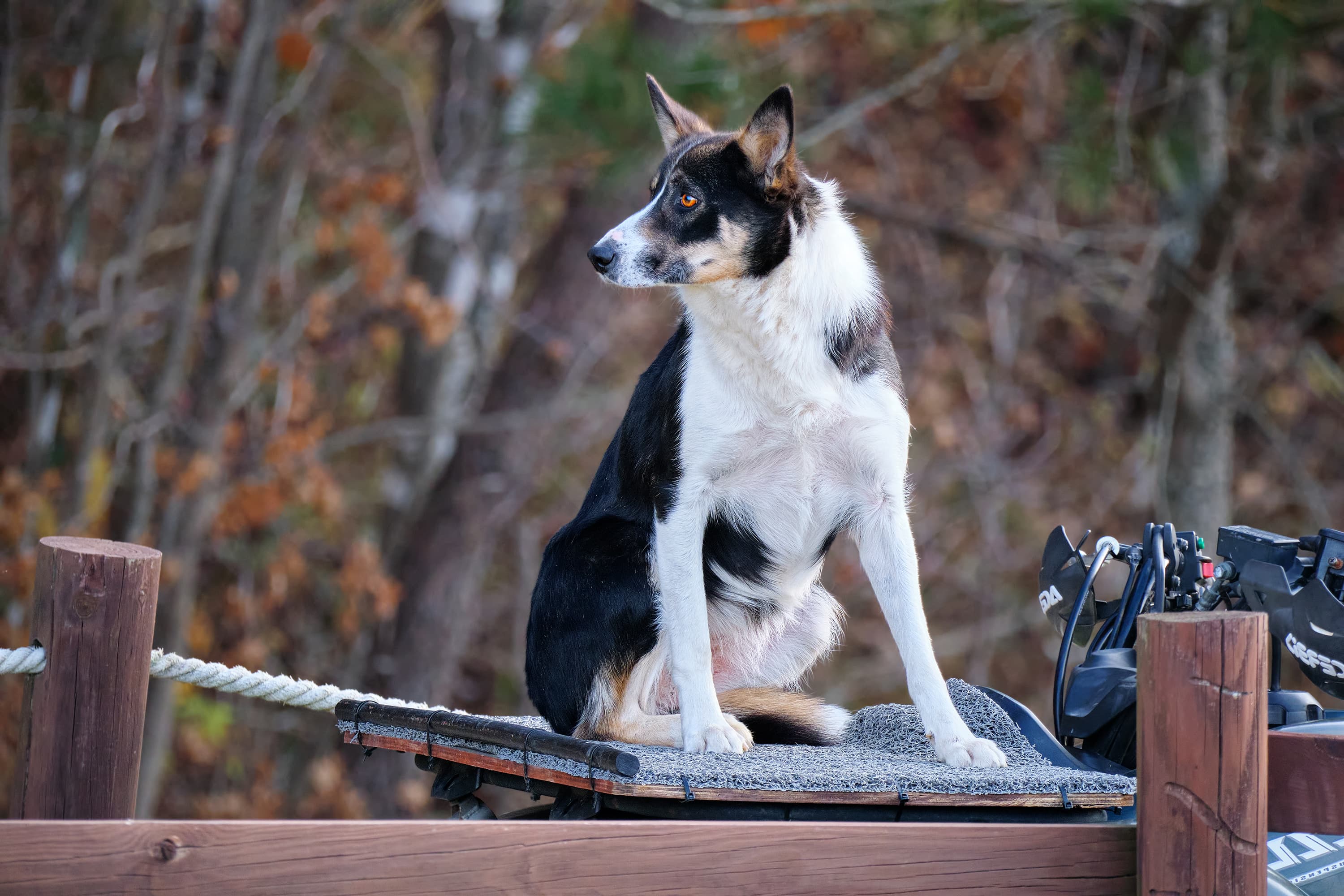
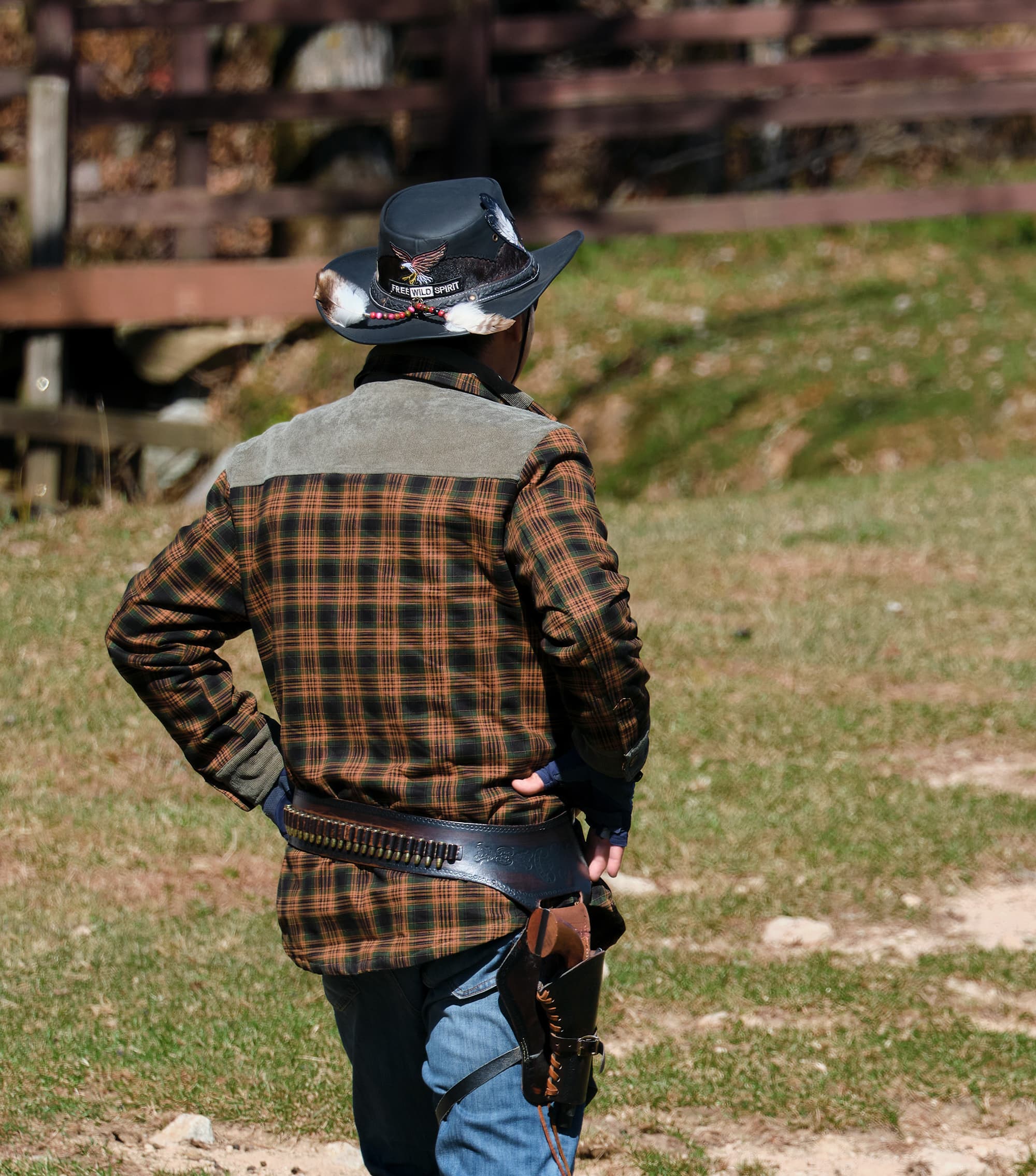
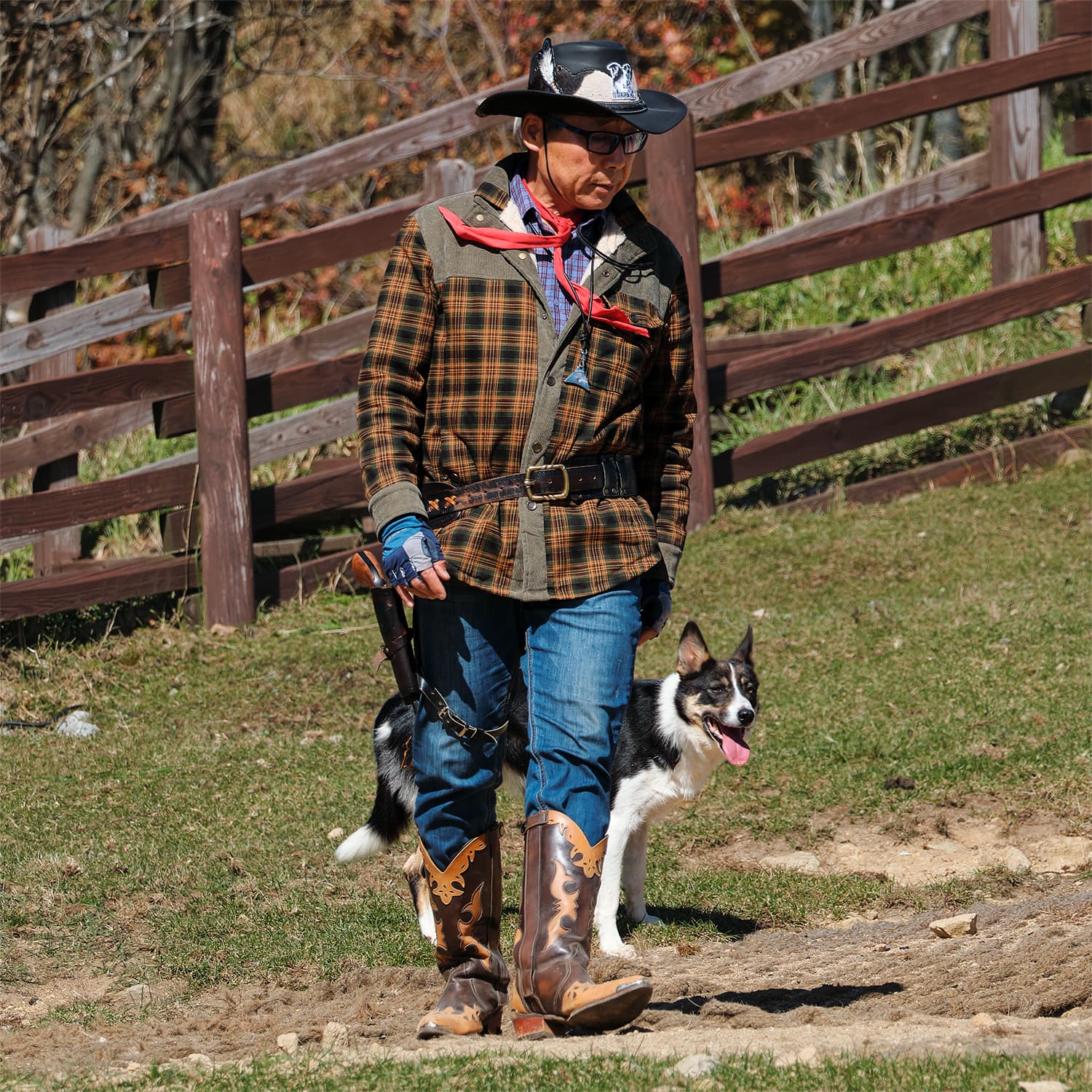
This attraction is partly rooted in Korea's close relationship with the United States after World War II and the Korean War, a connection that shaped many aspects of Korean society, including its cultural preferences. The cowboy-style outfit worn by the handler—hat, boots, and revolver—draws directly from American ranch culture. It reflects how U.S. symbols continue to influence Korean tourism and entertainment.